
Tackling the Energy Crisis and Regulatory Requirements with Automated Building Management Systems

The European Commission forecasts that the energy crisis will persist beyond the winter of 2023, which means sustained high costs for building managers. In the pursuit of savings, many are asking how data and technology in buildings can be used to pinpoint exactly where energy is being wasted and where operational efficiencies can be achieved.
Automated building management systems are an innovative solution for improving energy efficiency and reducing operational complexity while also addressing regulatory requirements. These systems draw on data from smart sensors and existing heating and cooling plant, as well as external data sources such as current weather conditions, to optimize energy use and create the right indoor climate. Equipment from manufacturers such as Schneider Electric and Siemens provides data collection and analysis, along with machine-learning algorithms, to automate energy and indoor-climate management – delivering impressively low operating costs.
Regulatory challenges and the role of an automated building management system.
Voluntary and mandatory energy-reduction targets set by governments are pushing businesses to look for innovative solutions. In the United Kingdom, for example, all non-residential rental properties will be required to hold an Energy Performance Certificate rated E or higher as minimum energy-efficiency standards are tightened. Failure to comply with these regulations can result in heavy fines for businesses. Regulation, however, is not the only factor putting pressure on building owners: at a time of soaring energy prices, tenants also prefer energy-efficient buildings. An inefficient building is becoming ever harder to lease because of its higher operating costs.
Automated building management systems offer a comprehensive, centralized approach to managing a building's various systems, including heating, ventilation and air conditioning (HVAC), lighting, power supply, security and much more. These systems rely on advanced technologies such as smart sensors, data analytics and intelligent controls. By integrating these systems, building managers can collect and analyze data on energy consumption, emissions and other performance indicators, allowing them to monitor and optimize energy use in real time and ensure regulatory compliance. Combined with more traditional building-upgrade measures, building owners can achieve impressive efficiency gains, resulting in a more marketable – and therefore more valuable – asset thanks to significantly lower operating costs.
Cost savings through automation
Inefficient heating, cooling and lighting systems lead to significant energy losses and high operating costs.
Automated building management systems consistently deliver excellent results in improving energy efficiency. Building management systems adjust temperature settings to actual demand, ensuring that energy is not wasted when rooms are unoccupied or when outdoor conditions allow natural heating or cooling. Deploying these systems can cut energy consumption in commercial buildings by 20%. This reduction translates into substantial cost savings for building owners and operators. By eliminating energy waste, building managers can reduce costs and improve overall operational efficiency, helping them maintain a competitive edge in the market.
Beyond cost savings and regulatory compliance, adopting automated management systems enables businesses to align their operations with the goals of increasingly environmentally conscious customers, investors and partners, as well as with their own corporate sustainability objectives. While progress has been made in decarbonizing sectors such as transport and power generation, the role buildings play in global carbon emissions has only recently come into the spotlight as policymakers and regulators pay closer attention. According to the International Energy Agency, the building sector accounts for roughly 30% of global energy consumption and nearly 28% of global CO2 emissions. Implementing automated building management systems can give building managers valuable insight into energy-consumption patterns and enable changes that shrink their carbon footprint.
By embracing technological innovation, businesses can not only cut operating costs but also contribute to a greener future. As economic and regulatory pressures continue to evolve, those who adopt technologies such as automated building management systems will be far better positioned to run their building operations effectively.
Related news

Schneider Electric — Leader in the Ranking of BMS Suppliers
SmartStruxure is a new platform developed by Schneider Electric specialists that offers a line of hardware and software products for the Building automation systems segment. Schneider Electric is a major French engineering company that develops and manufactures power management solutions as well as integrated energy-efficiency solutions for the energy and infrastructure sectors, industrial enterprises, civil and residential construction, and data centers.

Schneider Electric Partner Meeting
Schneider Electric is a major French engineering company that develops and manufactures power management solutions as well as integrated energy-efficiency solutions for the energy and infrastructure sectors, industrial enterprises, civil and residential construction, and data centers. The corporation includes such companies as Merlin Gerin, Square D, Telemecanique, MGE UPS Systems, TAC, APC, Clipsal, Andover Controls, Merten, and Pelco. Today the company operates more than 200 plants. It produces low- and medium-voltage electrical equipment and automation products for industry and residential construction. The company employs 152384 people (2012 data). The company's revenue in 2012 amounted to 23.946 billion euros.
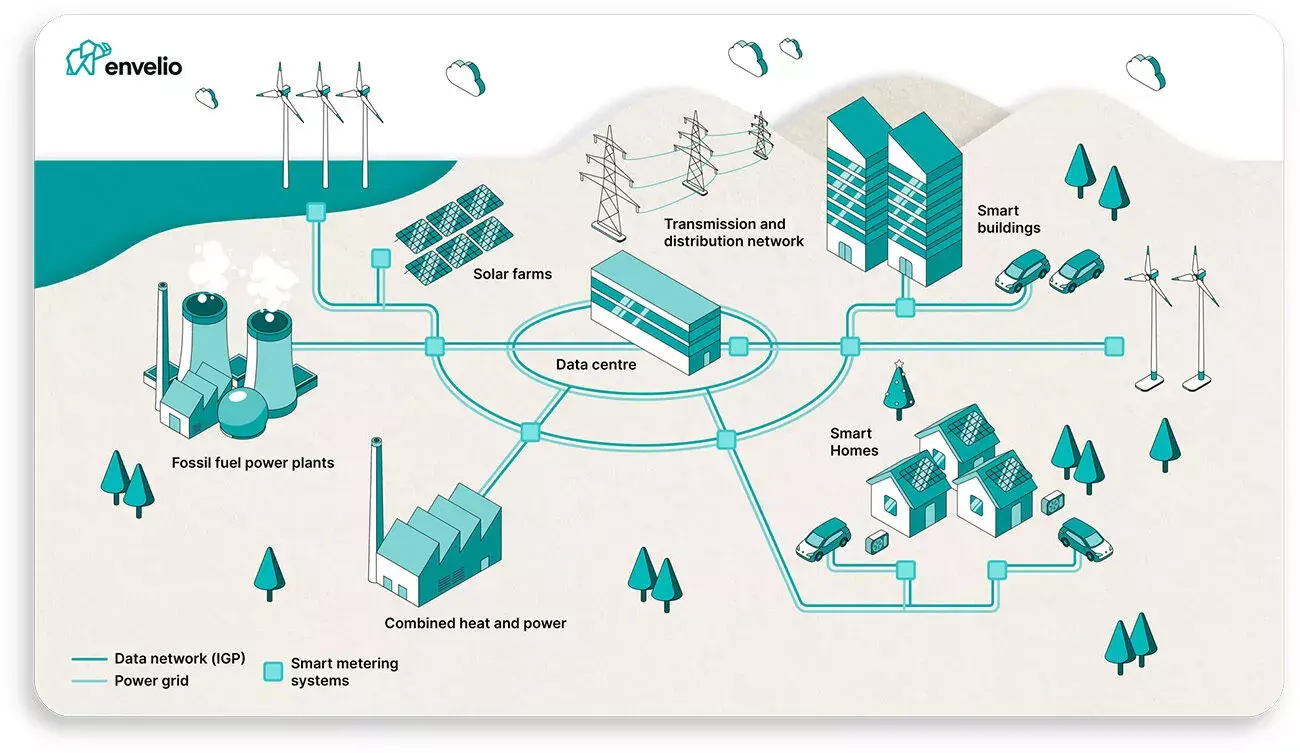
A smart energy grid will prepare the world for life after oil
EVIKA representative Andrey Shmakov shared his vision of the principles of smart energy consumption in buildings.