
Key obstacles and mistakes in implementing BMS systems
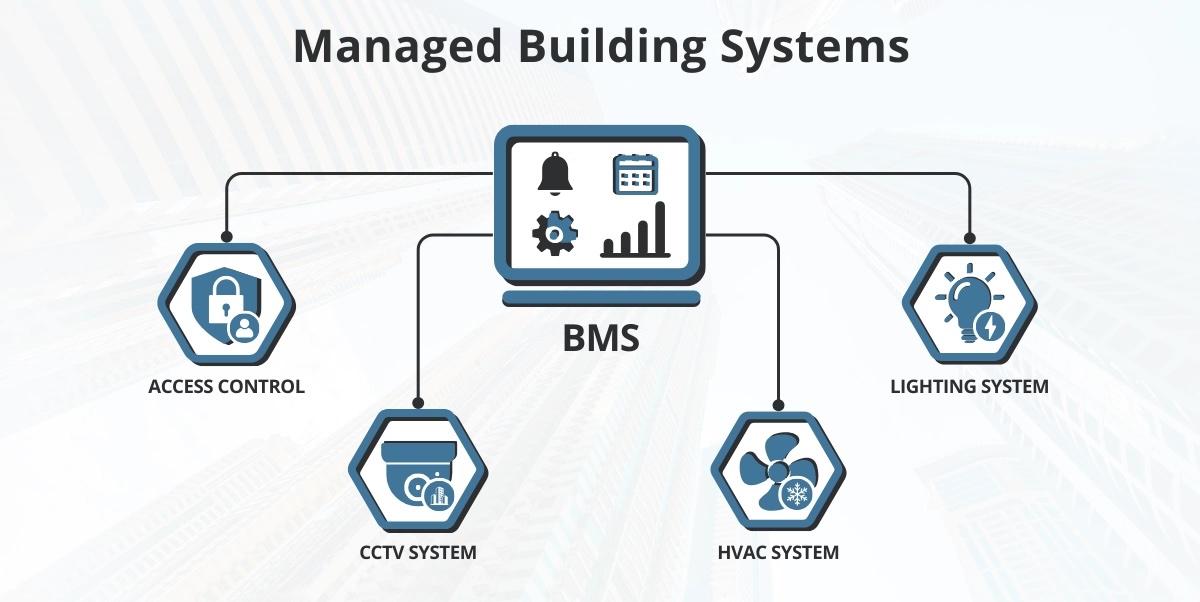
Project planning and design issues
Late integration decisions: the decision to implement a BMS is often made too late in the design process, leading to problems with integrating building services equipment.
Poorly developed or missing technical specifications: Uncertainty in the BMS project requirements leads to confusion, disagreements and, as a result, a mismatch with the expected outcomes.
A use-case-driven approach: projects often focus on minimal build options rather than overall goals, which limits the scalability and value of the BMS implementation.
Technology-first thinking: prioritizing specific technologies over user needs can lead to inappropriate decisions.
To eliminate these problems, it is important to establish a collaborative and proactive approach from the earliest design stages. Involving the client's technical specialists and the operations department in a dedicated BMS working group throughout the entire project lifecycle helps ensure that user needs, rather than specific technologies, drive decision-making. By focusing on clear, agreed decisions during the design process, late-stage compromises can be avoided. Making consistent decisions early also streamlines coordination efforts, ensuring the fullest possible integration and scalability at every stage of the project lifecycle.
Stakeholder engagement and collaboration
BMS system integrators are often brought in too late to effectively influence the design and integration of building services equipment.
Insufficient stakeholder involvement: key stakeholders, especially end users and facility operations teams, are not properly engaged, resulting in systems that fail to meet real needs.
Poor communication: Communication breakdowns between the client, the BMS integrator and the building services contractors undermine project success.
Lack of collaboration: siloed work and weak collaboration, especially during the pre-construction, commissioning and handover phases, create problems and delays in the integration process.
The industry needs a fundamental shift towards a more collaborative and transparent approach to resolve these challenges in smart building projects. This shift begins with establishing clearly defined roles and responsibilities for all stakeholders, ensuring that each party understands its contribution and accountability throughout the entire project lifecycle. Early involvement of the BMS integrator is paramount, allowing them to contribute their expertise from the initial design and planning stages, which is critical for ensuring the correct integration of equipment across different building services without resorting to expensive hardware, and for preventing rework later on. Proactive and open communication channels are essential to fostering this effective collaboration.
Technical expertise and understanding
Knowledge gaps among clients/contractors/integrators: client representatives, contractors and system integrators often lack the technical knowledge needed to implement smart building technologies effectively.
Unclear roles and responsibilities: Uncertainty about the scope of work and the division of responsibility between the BMS integrator and the building services contractors, combined with varying skill levels, leads to gaps in projects.
Design review neglected by the client: requirements for reviewing the design solution, particularly for compliance with the technical specifications, are absent or ignored.
Limited understanding of the technologies: a lack of understanding of the capabilities of data transmission and data processing technologies hinders effective integration.
An acute skills shortage: despite a basic understanding of engineering principles, there is reluctance or apprehension on the client's part to fully adopt smart technologies.
Technology-driven projects: an excessive emphasis on software solutions without considering the more essential data from the integration of building services equipment.
To help overcome these challenges, it is vital to reinvest in the early involvement of experienced BMS consultants and system integrators with a deep understanding of both the technologies and the integration requirements. Standardizing communication protocols at the level of interaction between different building services equipment during the design stage ensures a smoother, more complete integration at the data level and minimizes rework later on.
An effective shift to automation instead of manual work: the more automation is used in a project, the more it will, in turn, help deskill some of these complex tasks, allowing them to become more widely understood and accessible to operations staff.
Budget and resource constraints
Limited examples of return on investment: The scarcity of publicly available examples of the real value delivered by BMS systems, especially in operations, makes it harder to justify the investment.
Budget inaccuracies: inaccurate cost plans often require value engineering, which can compromise functionality.
Insufficient budget for implementing BMS: limited BMS budget allocation among contractors restricts the scope and effectiveness of integration.
To avoid these pitfalls, it is essential to establish clear procurement strategies and involve BMS specialists early in the project to align goals and forecast costs accurately.
Commissioning and handover challenges
A compressed commissioning period: Inflexible project end dates lead to rushed commissioning, which can compromise its completeness.
Poor handover: smart building systems are often not prioritized during handover, leading to problems in operation and maintenance.
Commissioning smart buildings requires a rigorous approach to ensure that both hardware and software components function correctly. A comprehensive network scan is needed to identify all data points and verify that they meet the project requirements. Given the large volume of data involved in smart building systems, validating it during the commissioning stage makes it possible to efficiently identify and resolve discrepancies.
Ownership and responsibility
Unclear building ownership: a lack of clarity about ownership once the building is commissioned makes stakeholders in the implementation phase reluctant to take responsibility for BMS costs.
Clearly defining long-term building ownership, especially with regard to maintenance and energy costs, is necessary to mitigate these obstacles. Considering the different roles a BMS must fulfil and ensuring alignment among stakeholders is crucial for the effective management and use of these systems.
Conclusion and call to action
The success of smart building projects comes down to addressing the key challenges from the very beginning, from planning and design all the way through to commissioning and handover. Engaging all stakeholders — clients, operations teams, contractors and facility managers — early on and keeping them involved throughout the project is essential to ensure everyone stays on the same page with clear roles and responsibilities.
Equally important is upskilling clients, contractors, subcontractors and integrators. By improving industry-wide education and collaboration, we can close knowledge gaps and build confidence in using and implementing the latest smart technologies.
Related news

Schneider Electric — Leader in the Ranking of BMS Suppliers
SmartStruxure is a new platform developed by Schneider Electric specialists that offers a line of hardware and software products for the Building automation systems segment. Schneider Electric is a major French engineering company that develops and manufactures power management solutions as well as integrated energy-efficiency solutions for the energy and infrastructure sectors, industrial enterprises, civil and residential construction, and data centers.

Schneider Electric Partner Meeting
Schneider Electric is a major French engineering company that develops and manufactures power management solutions as well as integrated energy-efficiency solutions for the energy and infrastructure sectors, industrial enterprises, civil and residential construction, and data centers. The corporation includes such companies as Merlin Gerin, Square D, Telemecanique, MGE UPS Systems, TAC, APC, Clipsal, Andover Controls, Merten, and Pelco. Today the company operates more than 200 plants. It produces low- and medium-voltage electrical equipment and automation products for industry and residential construction. The company employs 152384 people (2012 data). The company's revenue in 2012 amounted to 23.946 billion euros.
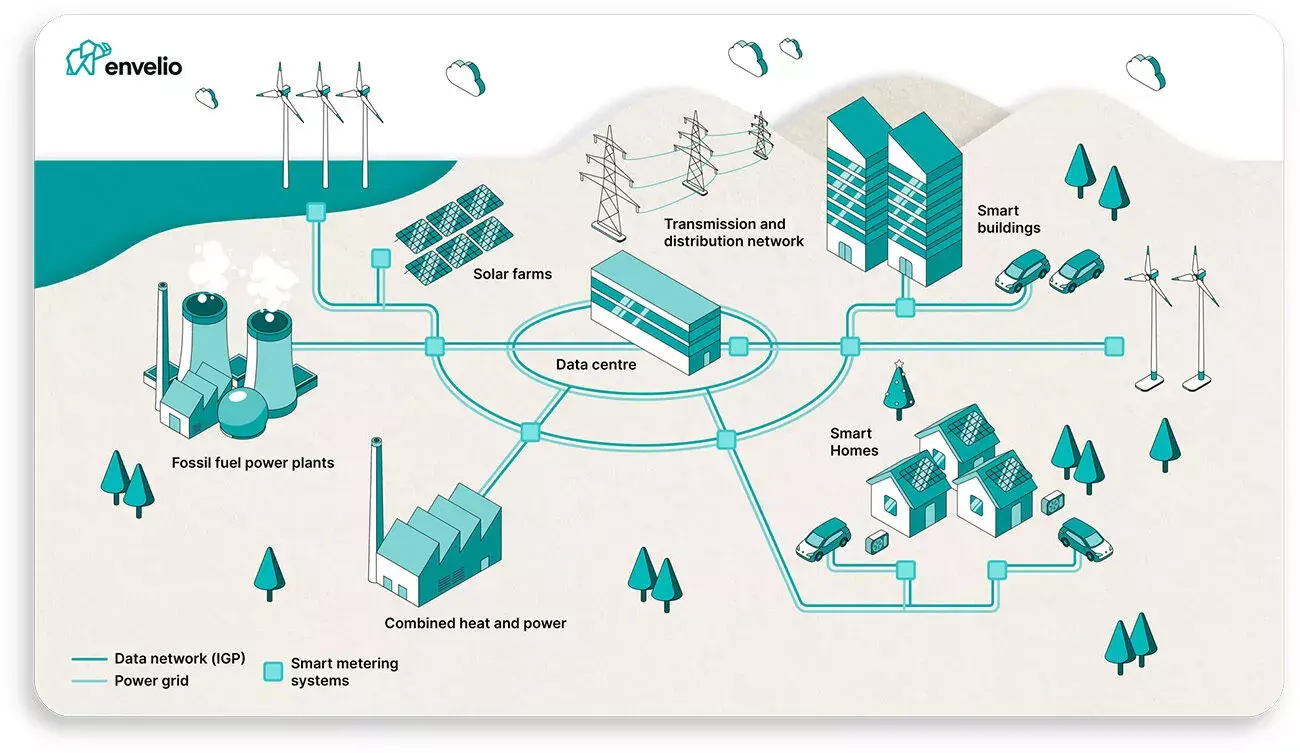
A smart energy grid will prepare the world for life after oil
EVIKA representative Andrey Shmakov shared his vision of the principles of smart energy consumption in buildings.