
Long-term thinking and the importance of design for clients

Adhering to design decisions and project specifications is of paramount importance for clients and for the contractors tasked with installing building monitoring and control systems. Deviations from the stated requirements can lead to a whole range of problems and degrade a building's overall performance, particularly in terms of energy efficiency. Despite this, changes to equipment or performance specifications have long been an issue — whether driven by cost cutting or by clients' limited awareness of the impact such a change can have.
There are many reasons why a project specification may change. When a designer has defined the equipment requirements for a client's project, there may be cases where the contractor deems it necessary to adjust the specification for budgetary reasons. And because there is often a disconnect between designer and contractor, the reasons why substitute equipment was offered in place of what was specified remain unexplained.
Similarly, contractors may face resistance from clients looking to save money or to revise designs so they fit their budgets better. Yet these specification changes often cause problems further down the line, or strip out project benefits the client is initially unaware of. For example, replacing or paring back the monitoring and control equipment on a site undermines the ability to manage the building's energy performance over the long term — something that only becomes apparent months or even years later.
None of this should come as a surprise: the design decision and the project specifications matter. Clients — and, by extension, contractors — need to consider the long-term impact of projects rather than short-term costs or timescales. Driving this shift in mindset is a growing body of standards and guidance, particularly for new buildings and commercial premises.
Given today's energy-efficiency requirements, it is no surprise that the long-term impact of projects is becoming an ever more important factor. Clients need confidence that their projects will keep delivering long-term benefits: from reliable control of the building's plant and systems to accurate data collection and energy-performance reporting.
Such requirements are even beginning to appear in many tender processes, where energy efficiency is treated as a core criterion.
Future-proof projects
All of this brings us back to the design decision and the project specification. Now more than ever, as clients look for clear value from an environmental and energy-efficiency standpoint, it is essential that the right equipment for monitoring and controlling building services is selected and installed. Many experienced contractors have a good sense of which building-control option best suits a particular project, but closer collaboration with system manufacturers and designers still pays significant dividends.
Overall, we are entering a time that calls for broader collaboration and partnership between manufacturers, designers and contractors — enabling contractors to choose the most suitable equipment for their projects and to fully understand the rationale behind the specifications in place.
Related news
Schneider Electric — Leader in the Ranking of BMS Suppliers
SmartStruxure is a new platform developed by Schneider Electric specialists that offers a line of hardware and software products for the Building automation systems segment. Schneider Electric is a major French engineering company that develops and manufactures power management solutions as well as integrated energy-efficiency solutions for the energy and infrastructure sectors, industrial enterprises, civil and residential construction, and data centers.
Schneider Electric Partner Meeting
Schneider Electric is a major French engineering company that develops and manufactures power management solutions as well as integrated energy-efficiency solutions for the energy and infrastructure sectors, industrial enterprises, civil and residential construction, and data centers. The corporation includes such companies as Merlin Gerin, Square D, Telemecanique, MGE UPS Systems, TAC, APC, Clipsal, Andover Controls, Merten, and Pelco. Today the company operates more than 200 plants. It produces low- and medium-voltage electrical equipment and automation products for industry and residential construction. The company employs 152384 people (2012 data). The company's revenue in 2012 amounted to 23.946 billion euros.
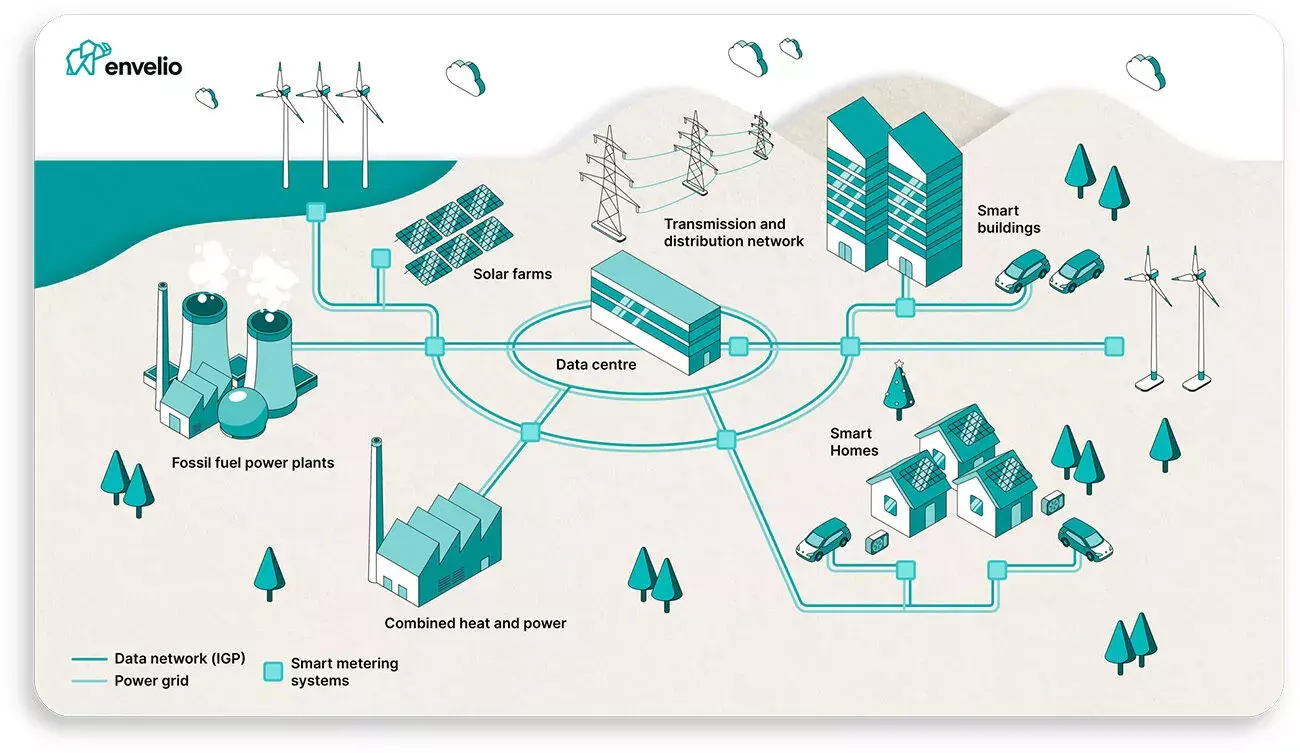
A smart energy grid will prepare the world for life after oil
EVIKA representative Andrey Shmakov shared his vision of the principles of smart energy consumption in buildings.