
Office Buildings
One of the key systems for maintaining normal working conditions is the indoor climate system . The designers’ main task here is to provide the air…
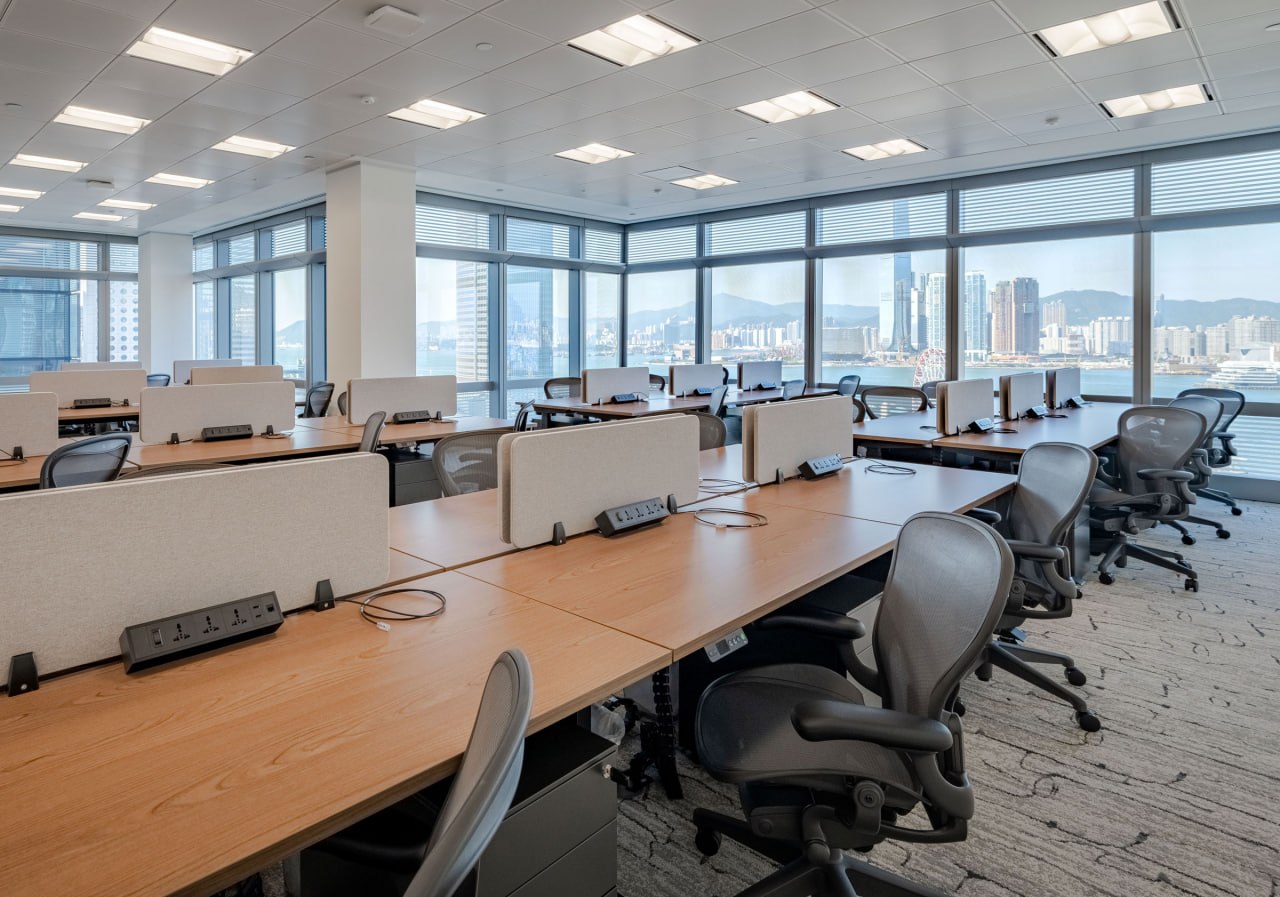
One of the key systems for maintaining normal working conditions is the indoor climate system. The designers’ main task here is to provide the air exchange required for this type of premises, yet keeping a comfortable temperature in each individual room matters just as much. Two separate systems are most often used for this purpose — heating and air conditioning. As a rule, only the air-conditioning system is automated, that is, controlled locally in the room. As a result, even in winter the air conditioning switches on in overheated rooms to bring the temperature back to a comfortable level.
It follows that both systems should be automated and should operate in coordination without causing any inconvenience to users when interacting with the automation, such as having to switch one system off and the other on manually. The building automation system must handle these functions, not only deciding which system to switch off and which to switch on at any given moment and for how long, but also taking into account the dynamics of temperature change.
Returning to the question of energy savings: there is no need to maintain a comfortable temperature in the rooms at night, on weekends or on public holidays. The task of the automation is to put the building into a reduced energy consumption mode during these hours and days; to this end, the room temperature is lowered or raised by a few degrees, depending on the season.
The second most important system in an office is the lighting system. Its primary function is usually to provide the required level of illumination in a room, with calculations made for the hours of darkness, when artificial lighting is the main source. However, the light level in a room changes throughout the day depending on the amount of natural daylight. With the traditional approach, during the day, when natural light alone is insufficient, the luminaires switch on at full power, and the additional daylight then makes workplaces over-lit, which leads to eye strain, glare on computer monitors and so on.
This makes maintaining a constant level of illumination throughout the day an important factor: when natural light is insufficient, the luminaires switch on (automatically or manually) not at full power but at, say, 30%, and then gradually brighten as dusk approaches. When there is enough natural light in the room, the luminaires switch off automatically. Besides comfortable working conditions, this also delivers substantial energy savings. Additional savings come from occupancy detection, so the lights switch off automatically in an empty room.
Lighting in common areas, stairwells and bathrooms is controlled by motion sensors, switching the luminaires on only when needed, the moment people appear, and off when they leave. Corridor and lobby lighting runs on a timer and also depends on the level of natural light.
Thus, running the common-area lighting only when it is needed also makes a significant contribution to lower operating costs.
Energy saving
Lower energy costs through intelligent control.
Comfort
Stable climate, lighting and controls built around people.
Security
Integrated access control, fire safety and monitoring.
Completed projects
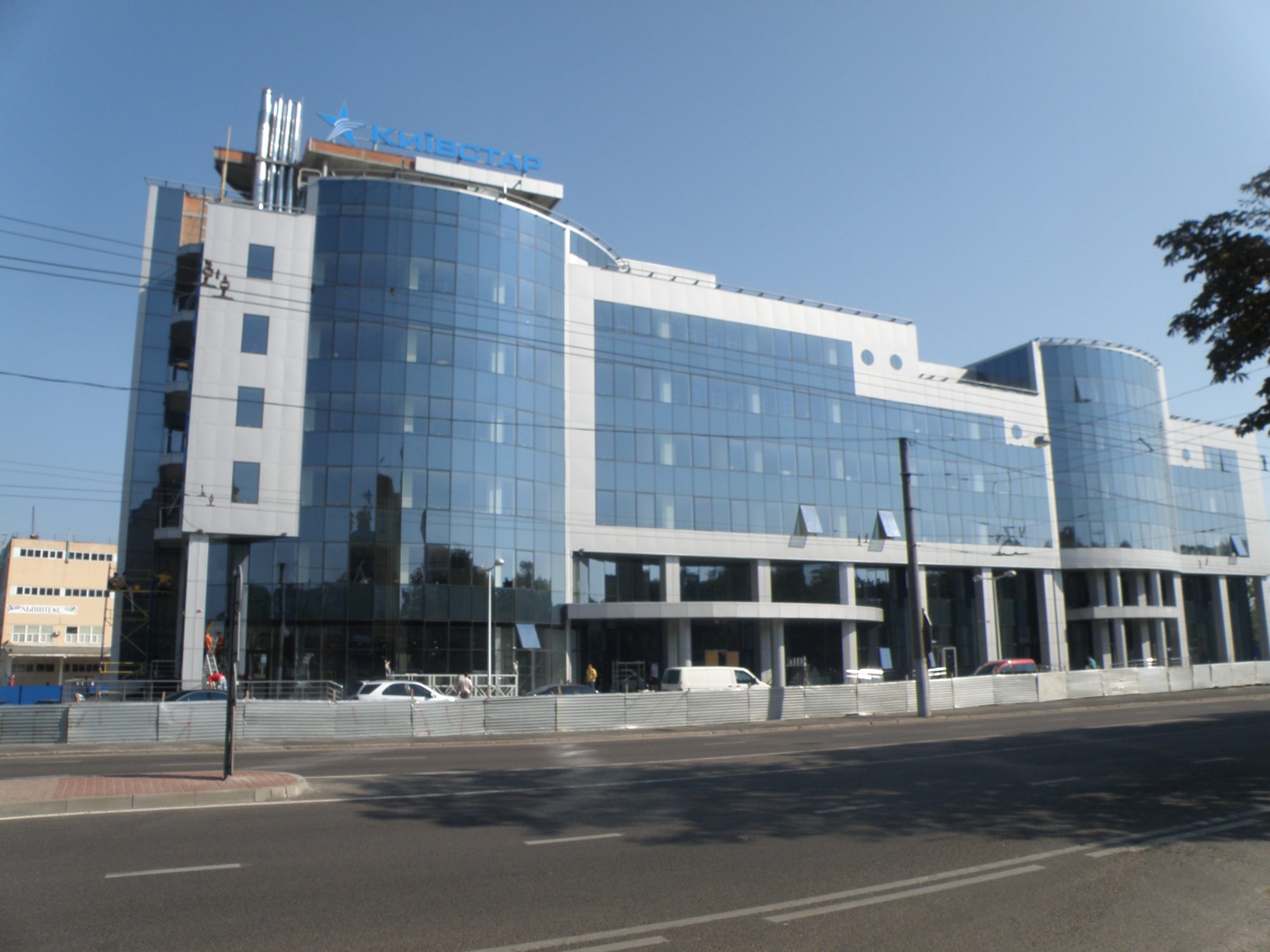
Kyivstar Office and Production Complex, Lviv
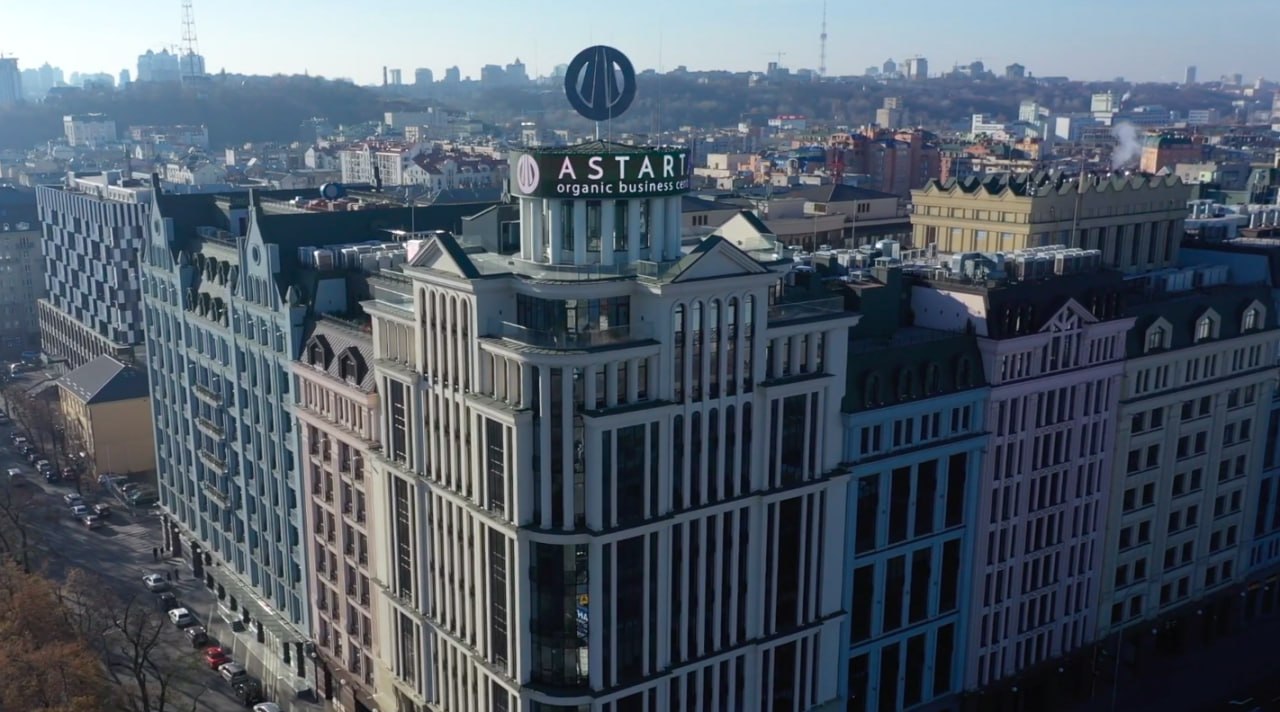
ASTARTA Business Center
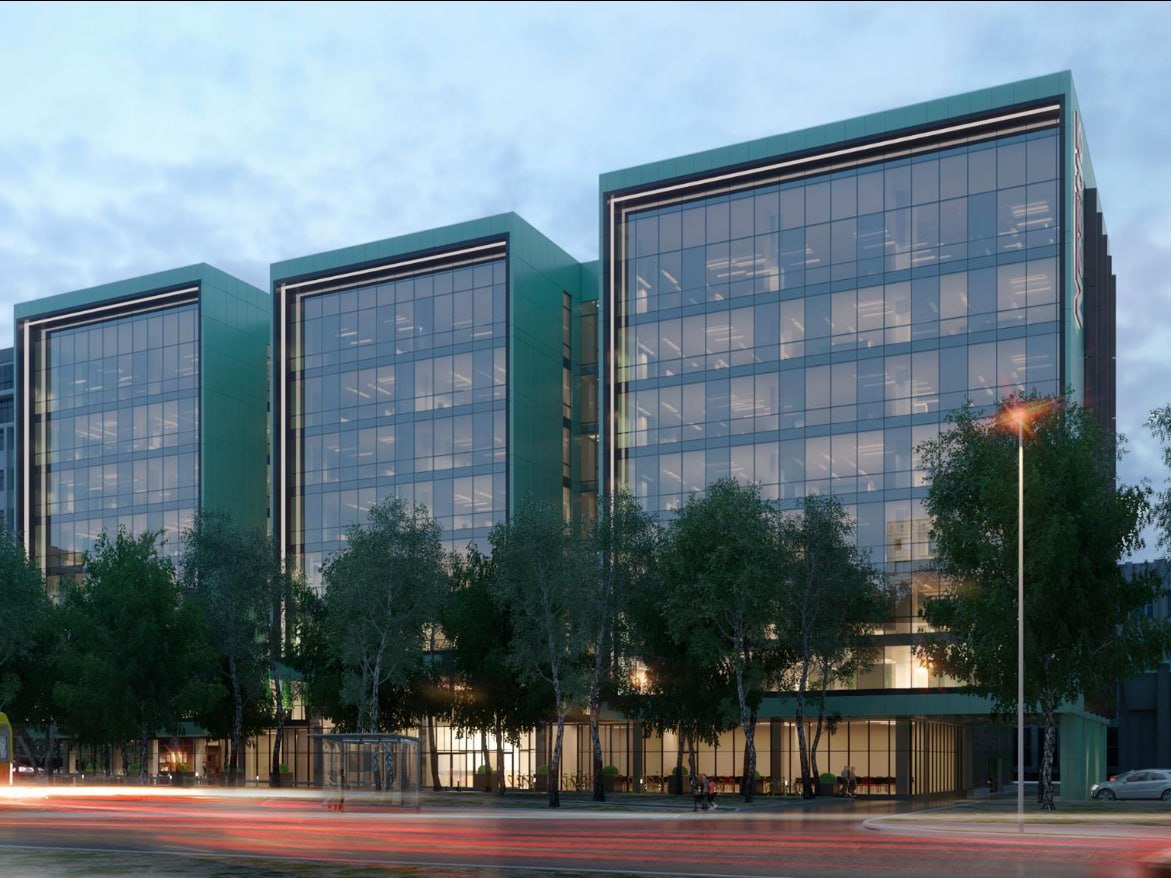
OPTIMA PLAZA Office Complex
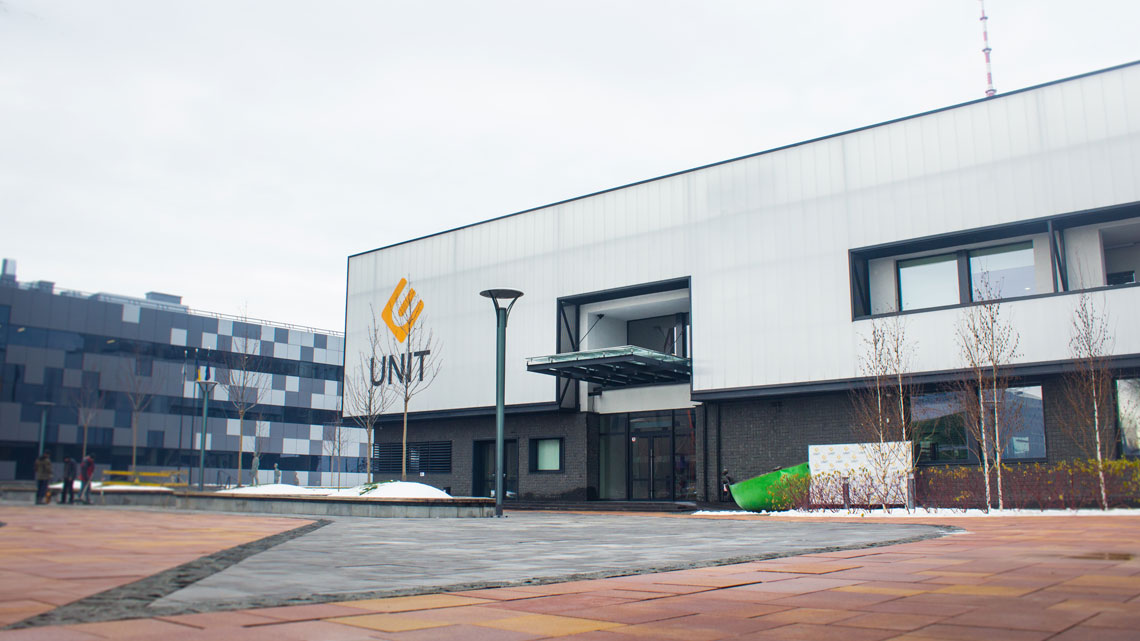
UNIT.City Technology Park
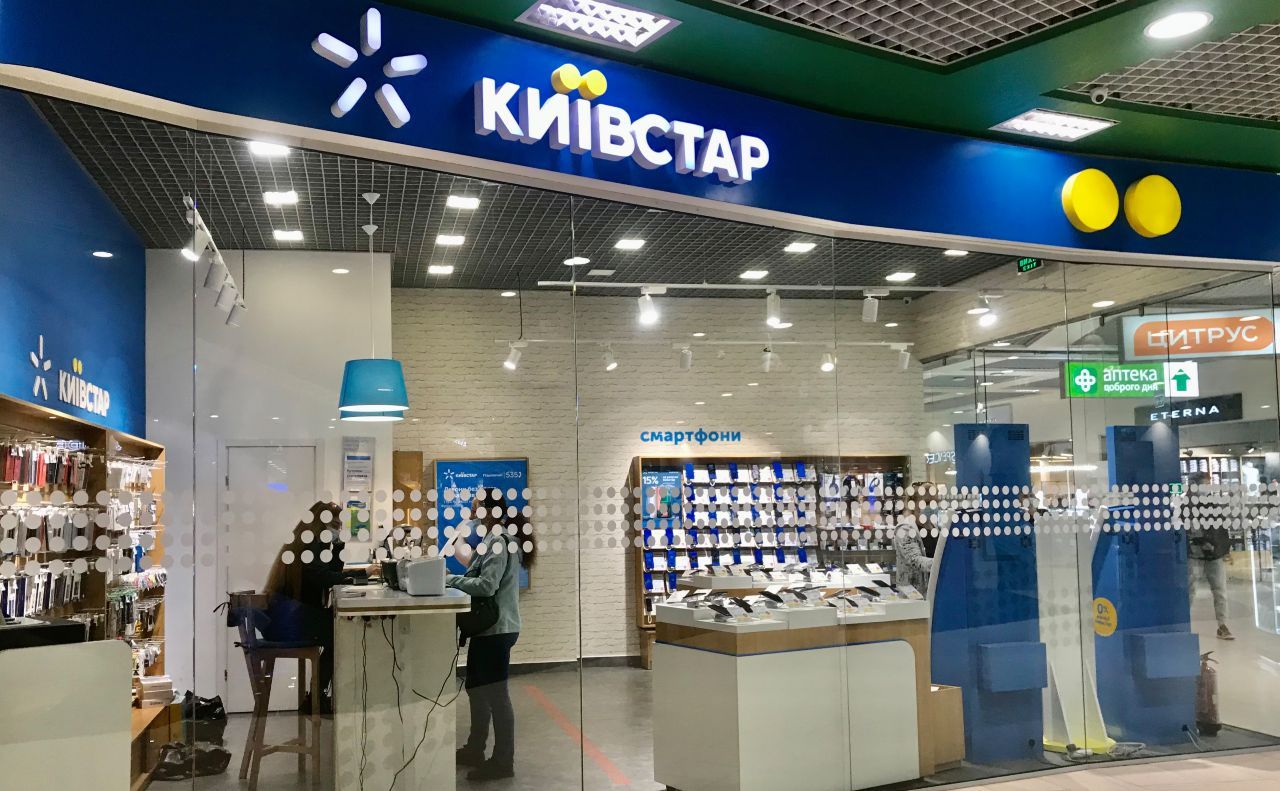
Kyivstar JSC
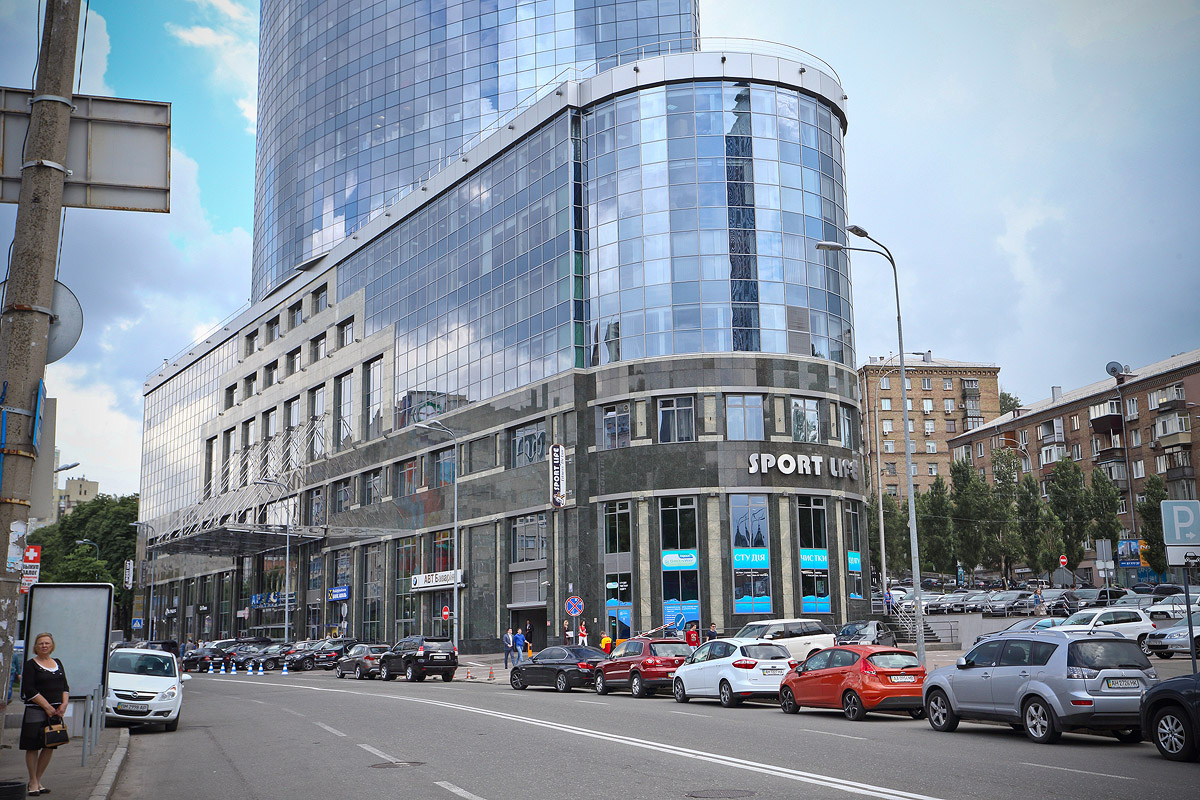
Parus Business Center

Playtika IT Company Office
Ready to make your building smart?
We design, implement and maintain building services under unified control.